
MA Statehouse Hearing, Data Equity Bill (H.2681). Testimony by Dr. Lorna Rivera, Director of Gastón Institute. October 15, 2019.
The mission of the Gastón Institute at UMass Boston is to inform policy makers about issues vital to the state’s growing Latino community and to provide this community with the information and analysis necessary for effective participation in public policy development.
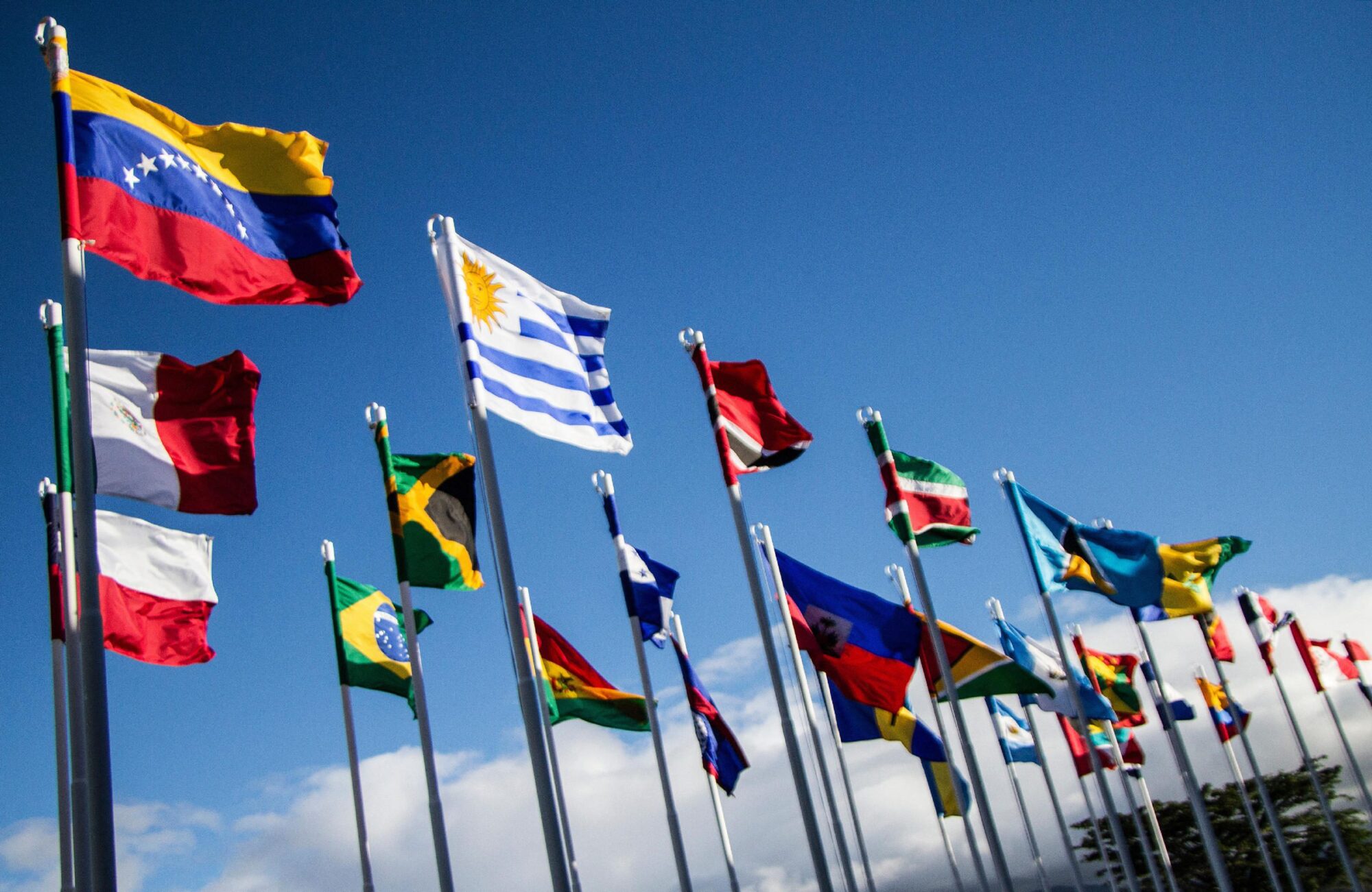
The Latino community in Massachusetts is characterized by two important trends: dramatic population growth overall and increasing intra-Latino diversity in terms of country of origin, ethnicity, culture and language. Between 1980 and 2017, the state’s Latino population increased by 475 percent, with many new Latino immigrants moving to Greater Boston due to the violence, repression and poor socio-economic conditions they were facing in their home countries. These new arrivals from Central and South America have changed the overall makeup of the area’s Latino population. Before the mid-1980s, Latinos in the state were primarily from Puerto Rico, Cuba and the Dominican Republic. However, in the mid-1980s and 1990s, Massachusetts experienced a significant influx of immigrants and refugees from El Salvador, Guatemala, Honduras and Colombia. I would stress that it is important to learn about the history of these countries because U.S. military interventions contributed to civil wars that led to economic devastation in these countries, and to this day is why Central American migrants continue to seek asylum/refuge in the US.
As of 2017, there were over 811,00 Latinos living in Massachusetts from different origins in South America, Central America, North America and the Caribbean. And, recent research by the Gaston Institute projects that the state state’s Latino population will grow to over one million by 2030, and by then comprising nearly 15 percent of the statewide population.
Our recent research with Boston Indicators, “Changing Faces of Greater Boston, shows how Latino subgroups are characterized by important cultural differences and disparities in quality of life, health outcomes, educational attainment and median household income.
For example, our research illustrates how those with relatively poorer and less stable countries of origin or ancestry (Central America and the Caribbean) tend to cluster at the lower end of the skills-income distribution, while those from relatively more stable and prosperous countries (South America) have attained a greater degree of economic well-being here in Greater Boston. Only 8 percent of all Guatemalans in Greater Boston have a bachelor’s degree or more and their median income is $52,155. The situation for Colombians, however, is quite different: 32 percent have a bachelor’s degree or more, and their median income is $62,639.
Furthermore, Latinos are not just Puerto Ricans and Dominicans and the majority of the Latinos will be US born (not immigrants) by 2030. We need accurate data to understand important differences and quality of life issues affecting distinct Latino populations. There are unique cultures, languages, migration experiences and differences among over 25 subgroup populations that affect their socioeconomic well-being in Massachusetts. Therefore, it is critical that we have accurate data so we can more effectively address their specific community needs and achieve racial equity in our state and nation. For these reasons, our faculty and research associates at the Gastón Institute strongly support the Data Equity Bill and we hope that you will all support this important legislation.
Lea este artículo en español aquí https://staging.elmundoboston.com/testimonio-de-dr-lorna-rivera-directora-del-instituto-mauricio-gaston-para-el-desarrollo-de-la-comunidad-latina-y-politicas-publicas-15-de-octubre-del-2019